
Celebrating 175 Years of History
As part of our 175th anniversary campaign, we’re spotlighting Antiochians—past and present—who embody the College’s bold legacy of speaking truth to power and leading by example.

October: Filmmakers and Screenwriters of Antioch
175 Years of Education
Profiles from the Archives
Ed Koziarski, class of 1997
Ed founded and co-owns Chicago-based Homesick Blues Productions along with Junko Kajino. “Homesick Blues” is also the name of their entry in the 2005 Chicago Film Festival, which earned a nomination for Best Short Film that year. Their full length film “The First Breath of Tengan Ri” premiered in 2009. “Echoes Of My Father” premiered in 2023 at the NY Dances With Films festival and was also screened at the 2024 Antioch College Alumni Reunion. Their latest project, “Uncanny Terrain,” is in post-production.
Jon Bloom, class of 1973
An Oscar and five-time Emmy nominated filmmaker with broad experience as a director, producer, writer, cinematographer and editor, Jon is a renowned specialist in entertainment marketing. BloomFilm, established in 1987, provides audio/visual marketing materials for promotion and advertising. He was nominated for an Academy Award as producer and director of the live-action short film “Overnight Sensation,” based upon a Somerset Maugham short story and starring Robert Loggia and Louise Fletcher. A three-term Governor at the Academy of Motion Picture Arts and Sciences, he also serves as Chair of the Short Films and Feature Animation Branch. His early work experience includes stints with Robert Wise, Robert Altman, and Francis Coppola.
Victoria Hochberg, class of 1974
Perhaps best known as a director of television episodes for over a dozen different series, she won Daytime Emmy awards for the ABC After School Special “Just a Regular Kid: An AIDS Story” (1988) and the PBS television film “Sweet 15” (1990). One of her earliest works, the short documentary “Metroliner” (1975) was selected for preservation by the Academy Film Archive in 2015. In 1979, Victoria and five other women directors formed the Women’s Steering Committee of the Directors Guild of America, known as the Original Six, to research and document gender discrimination in the movie industry. Armed with their findings, the DGA sued Warner Bros. and Columbia Pictures in 1983. Despite the case getting dismissed on procedural grounds, the efforts of the Original Six resulted in a gradual increase in the hiring of women directors.
Filmmakers and Screenwriters Nominated by Antiochians
Karl Grossman ‘64
Julia Reichert ‘70
Jim Klein ‘72
Anthony Heriza ‘74
Andrew Garrison ‘74
Kim Aubry ‘78
Carol Greenwald ‘77
Ellen Schneider ‘79
Eric Johnson ‘73
Lynn Estomin ‘72
Peter Adair ‘67
Josh Hanig
Will Roberts
Larry Adelmen
Peggy Ahwesh ‘78
John Korty ‘59
Aimee Sands ‘76
Peter Entell
Herb Gardner
Eugene Barron ‘62
Maria Mabre ‘91
Paige Thomas ‘92
Laurie White ‘77
Roger Stigliano ‘77
Adam Haas ‘77
Wendey Stanzler
Brady Calestro
Alicia R. Weber ‘70
Robert Greenwald ‘66
Wendy Dallas ‘72
Rick Nathanson ‘79
Andy Voda ‘76
Vince Waldron ’78
Jonathan G. Zimmerman ’70
Victor Nunez ‘68
Adam Beckett
Amber Bemak ‘02
Greta Snider ‘86

September: Educators of Antioch
175 Years of Education
Profiles from the Archives
Mahala Jay, class of 1857
Mahala Pearson Jay and her husband Eli transferred to Antioch College from Oberlin in 1853. The Jays had started a small school in Fredericksburg, IN in 1849, which convinced them they had to attend college to become better educators. Attracted by Antioch’s promise of fully equal coeducation, the Jays were both members of its first graduating class. Already a Latin teacher in the Antioch Preparatory Dept. during her Senior year, Horace Mann considered her the best Latin instructor he had ever known. In 1864 she and Eli joined the faculty of Earlham College, where she was principal of its preparatory school for twenty years. A lifelong Quaker committed to service to humanity, Mahala was also a leading figure in the Women’s Foreign Missionary Association and a founding figure of the American Friends Board of Foreign Missions.
Irene Hardy, class of 1885
Born in Eaton, OH in 1841 and known by the diminutive “Rene,” Hardy entered Antioch College in 1861, but her education was interrupted several times due to among other factors the American Civil War. Despite not having her degree, she taught school back home through the 1860s. In 1874 she began teaching in the Antioch Preparatory Dept. and served as College Matron, presiding over the women’s dormitory North Hall for two years. She soon moved to California, resumed her teaching career, developed statewide standards for instruction in composition and literature, and published a textbook. In 1894 she joined the faculty of Stanford University to teach literature and writing. Hardy retired in 1901 to a cottage built by her adoring students where she wrote her memoirs. After her death in 1922, her brother Lewis deposited the 530 page manuscript in Antiochiana at the Antioch College Library, where it was eventually discovered by longtime Antioch Professor of American Civilization, Louis Filler. He edited the work and published it in 1980 under the title “An Ohio Schoolmistress.”
George Hubbell, class of 1890
Springfield, OH native George Hubbell grew up on a farm near Bellefontaine. As a student he was active in the Star Literary Society. Hubbell earned a PhD at Columbia University in 1902 after a brief stint as a high school principal in Fairfield, OH. While a graduate student he held numerous teaching posts including Professor of University Extension, Professor of Geology and Higher English, and Professor of Pedagogy. In 1904 he became vice-president of Berea College in Kentucky and in 1906 was named president of Highland College in Williamsburg, KY. In 1910 he became president of Lincoln Memorial University in Harrogate, TN, retiring in 1922. Among his many publications was a biography of Horace Mann (1910) and his prized possession was the original draft of the Antioch College charter.

August: Inventors of Antioch
175 Years of Invention
Profiles from the Archives
Thad Carr, class of 1871
Thaddeus Plato Carr grew up in Yellow Springs and was the first of several generations of Carrs at Antioch College. As a student he was perhaps best known as a baseball player, holding down catching duties for the Antioch team that played the Cincinnati Red stockings in 1869. After College he made his reputation as a world-class tuner of pianos. In 1876 he filed a patent for Improvement in Piano-Forte Actions, which he described as “a novel application of the back catch or stop, that arrests the hammer after the latter has recoiled from the wire.”
Leland Clark, class of 1941
Possessed of one of the best nicknames in Antioch history, the “Edison of Medicine” had more than eighty inventions to his credit. He returned to Antioch College in 1944 as Professor of Chemistry and as chair of Biochemistry at the adjacent Fels Institute. While at Fels in 1949, he designed, built and successfully tested his Clark Bubble-Defoam Heart Lung Machine, a breakthrough device that essentially made open-heat surgery possible.
David Newman, class of 1971
After graduating with a degree in Engineering, David Newman worked for Yellow Springs Instrument Company, a company full of inventors and so a fortuitous job opportunity for a budding inventor. He went on to found CAMAX Tool Company, Inc., the assignee for many of his patented inventions. His patents include an insert to improve sintering (the process of fusing powdered metals into solids without melting), a design for an ornamental golf shoe cleat, an improved ratcheting mechanism for box wrenches, and an extracting tool for safely removing a cervical diaphragm.

July: Artists of Antioch
175 Years of Creative Artists


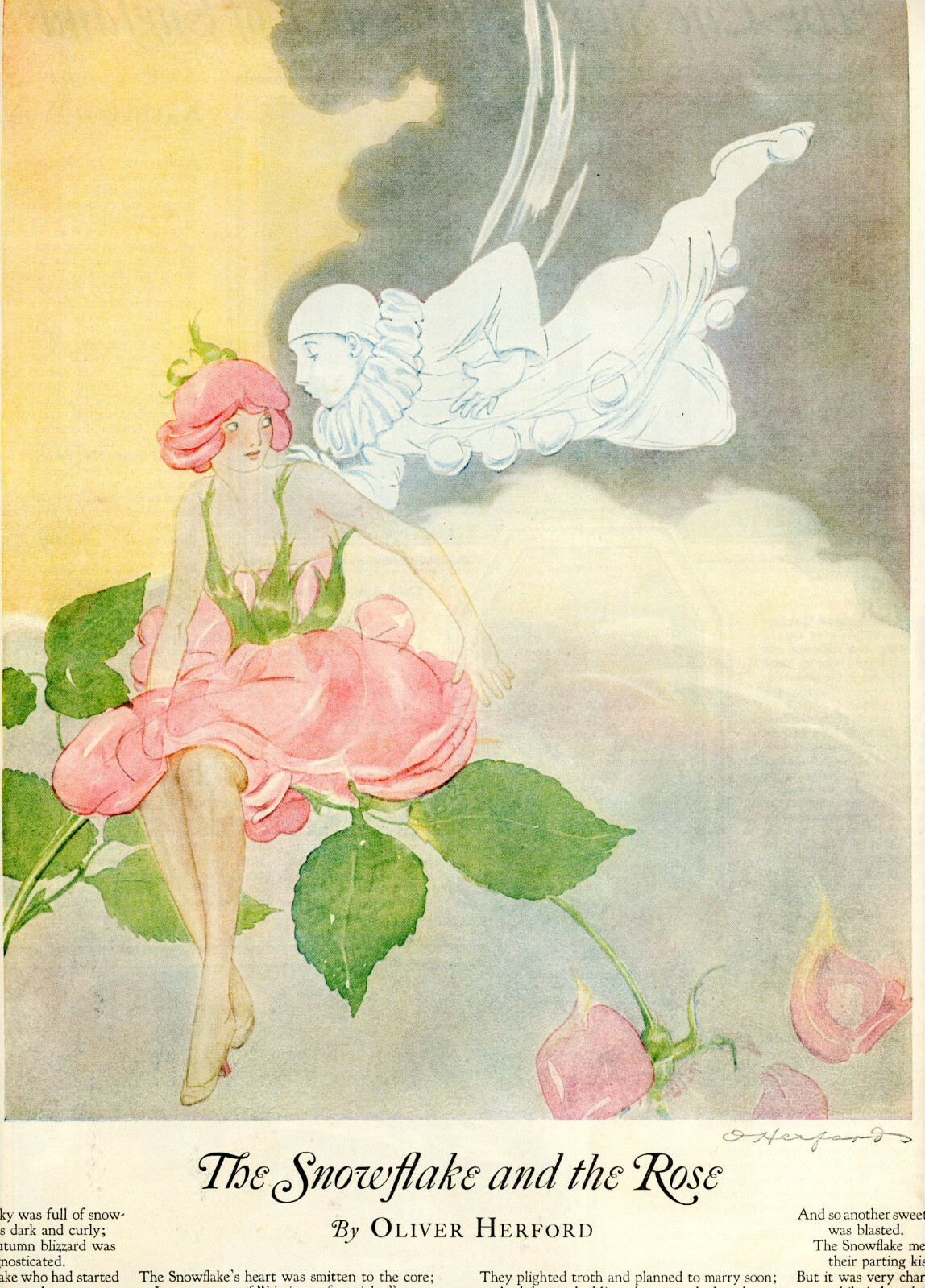
Alumni Art Submissions

Bob Rappaport ’74

Amy Marx ‘79

Amy Mindell ’81

Barrie Dallas Grenell ’65
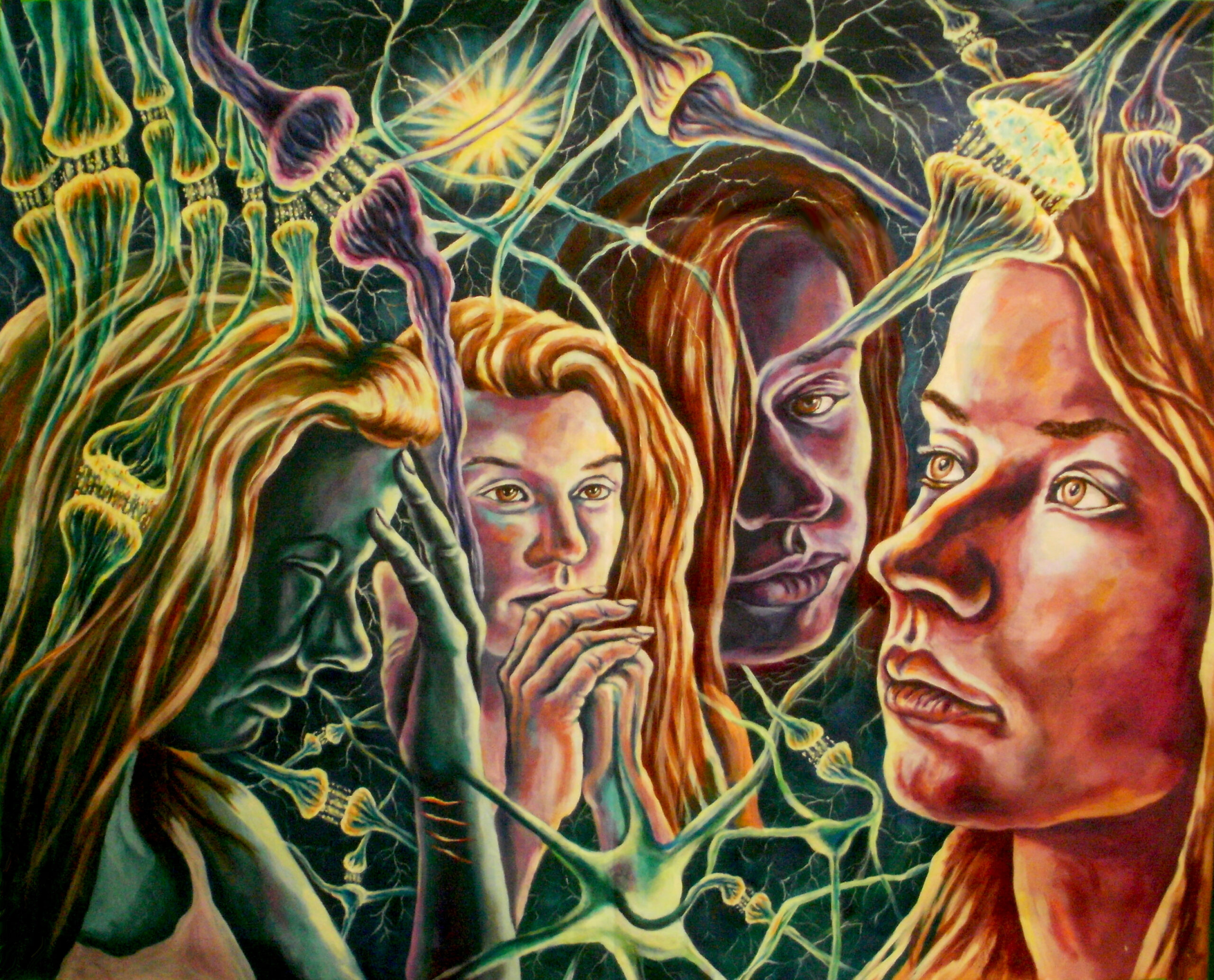
Bernie Wilke ’95
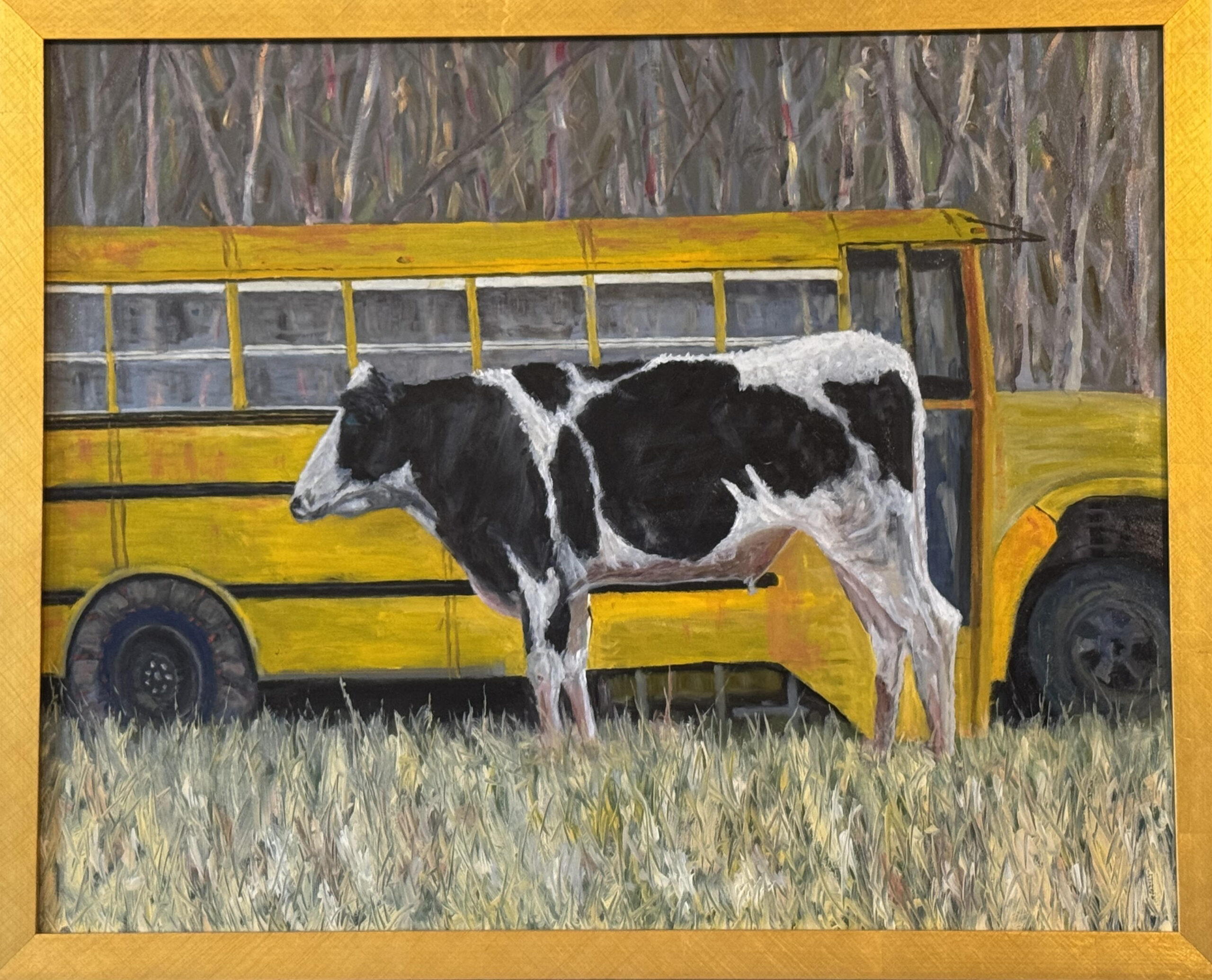
Dave Keebler ‘67

Debra Strick ‘73

Eric Neurath ‘76

Fred Stein ’70
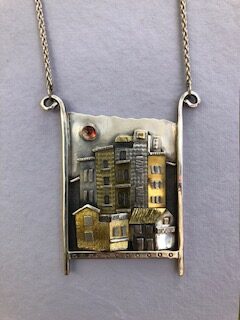
Hannah Victor Goldrich ‘95

Helen Welford ‘79

Jane Lazerow ‘62

Jane Schlosberg ’66

Linda Bastian ’63
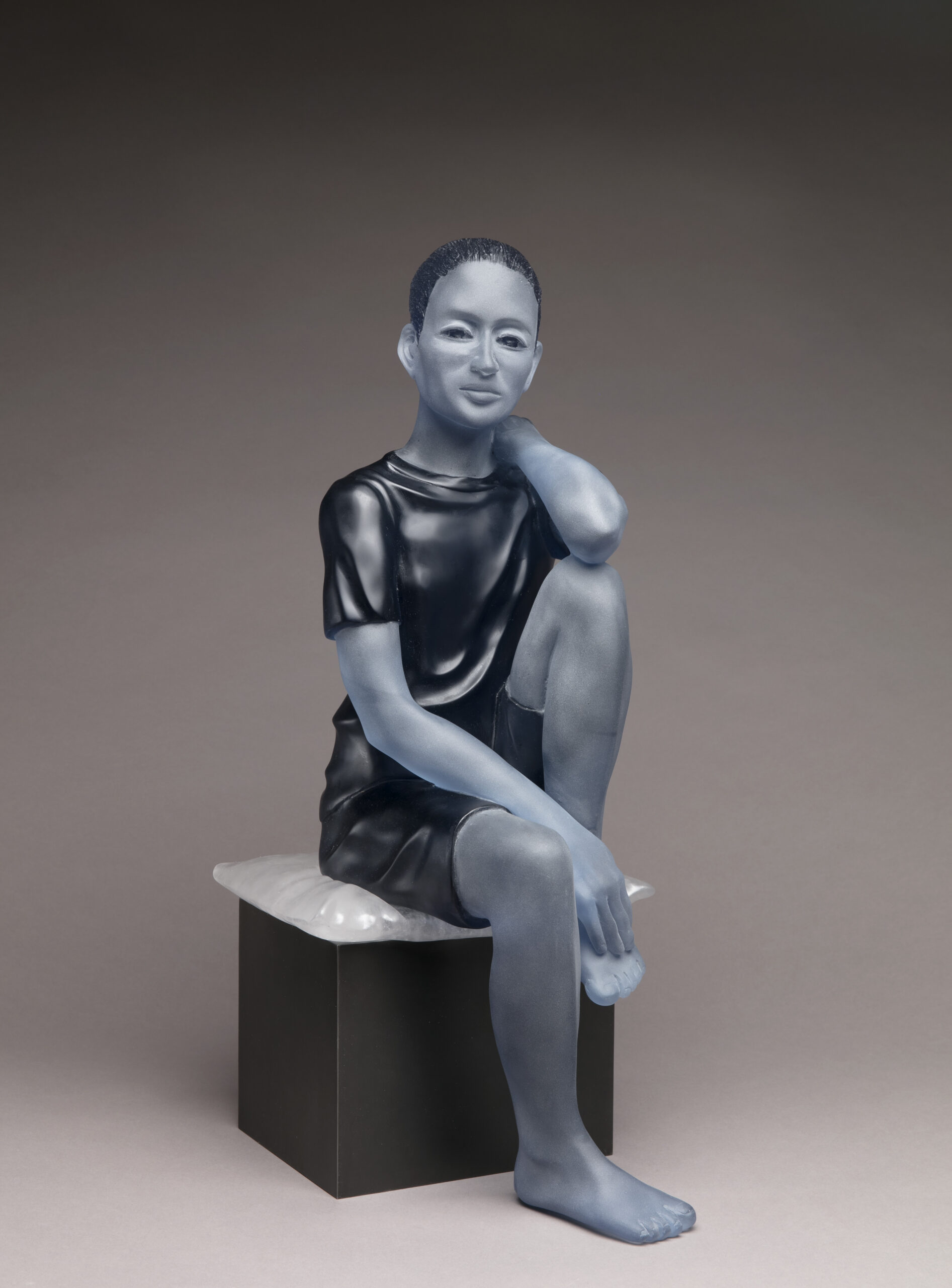
Lucy Lyon ’71 Aesthete

Lucy Lyon ’71 Doppelganger VII

Marcella Peralta Simon ‘79 At The Pier

Marcella Peralta Simon ‘79 HOPE
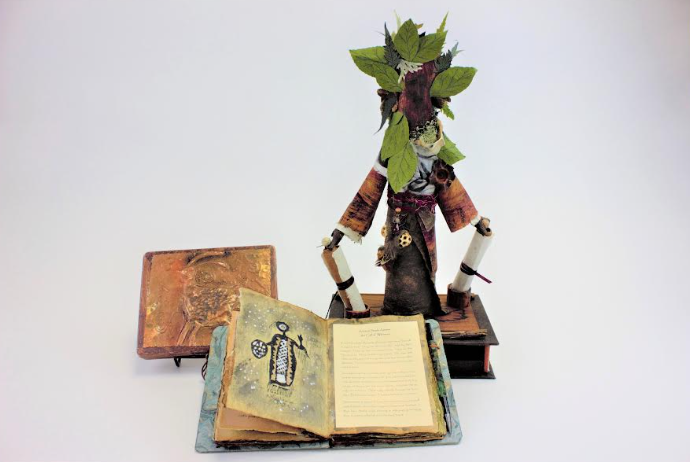
Patricia Chupa ‘72

Richard Turner ’67

Ryck Lent ’75
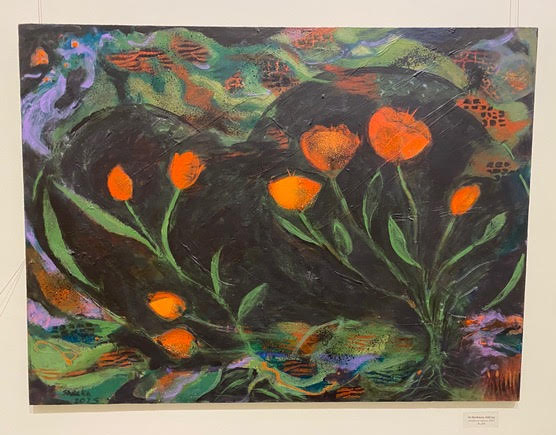
Anne Sarcka ‘52

Stephen Hendrickson ‘63.

Zoë Je T’aime Johnson ‘23

Dave Garten ’77

Janet Goldner ’77

Michael Casselli ’87
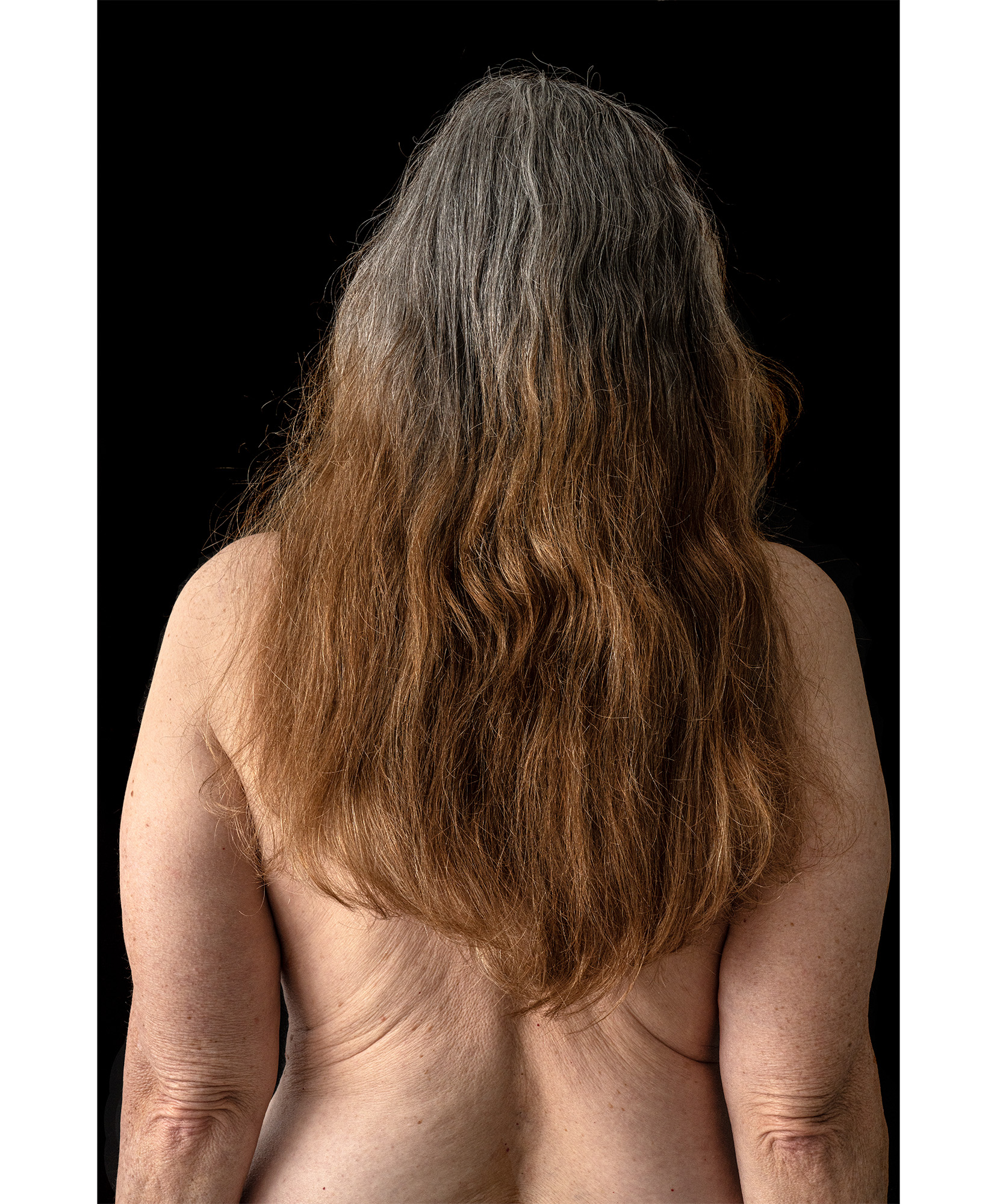
Gail Rebhan ‘75

June: Writers
175 Years of Transformation Writers at Antioch College
Writers Nominated by the Antioch Community
Bethany Saltman ’92; Megan Rosenfeld ’69; James Bieri ’50; Julia Nolet ’66; Vince Waldron ’78; Karen Schwabach ’87; Eileen Sirota ’71; Gail Collins-Ranadive ’80; Doug Goodkin ’74; Jud Jerome; Kristin Andrews ’92; Susan Church ’68; Rob Kenter ’82; Stephanie Claire Smith ’80; Wade Matthews ’78; Peter Thomson ’84; Shelley Zellman ’70; Ellen Maddow ’71; Susan Buniva ’77; Nicholas Noxon ’59; Herb Gardner ’58; Robert Borgen ’67; Nova Ren Suma ’97; Barbara Durr ’74; Robert Karen ’69; Ian Yolles ’80; Lorin Cary ’62; Richard Robinson ’77; Michell Goth ’17; Christian Fuerestein ’94; Lawrence Block ’60; Ralph Keyes ’67; Robert Serling ’42; Gregory Orr ’69; Nolan Miller; Ira Sadoff; Paul Treichler; Nick Crome; Jessie Treichler; Arno Karlen ’60; Mark Bernstein ’73; Robin Rice ’64; Coretta Scott King ’51; Mark Strand ’57; Paula Treichler ’65; Cary Nelson ’67; Ellen Tovatt ’64; Ed Fischer ’49; Patrick Tovatt ’66; Ken Jenkins ’63; Nancy Meckler ’63; Mark Dunau ’74; Louise Smith ’77; Michael Goldfarb ’72; Dorothy Anderson; Sean Beaudoin ’92; Terry Blackhawk ’68; Don Clark ’53; Martha Todd Dudman ’74; Alice Fogel ’76; Louis Gerteis ’65; Janet Goldner ’74; Jaimy Gordon ’66; F. Lincold Grahlfs ’45; Virginia Hamilton ’57; Christopher Herbert ’98; Ann Heller ’73; Max Holland ’72; Joan Horn ’56; Marie Javins ’89; Priscilla Long ’67; Harve Rawson ’57; Tim Reynolds ’58; John Robbins ’76; Jason Rothstein ’94; Thaddeus Russel ’89; Robin Sheerer ’63; Dava Sobel ’69; Scott Sparling ’76; Bianca Stone ’06; David Thelen ’62; Theresia Windling ’79; Annia Ciezadlo ’94; Cynthia Riggs ’53; Chris Finan ’76; Stephen J Gould ’63; Anne Heller ’73; Scott Sanders; Robert Kehlmann ’63; Askold Melnyczuk ’77; James Galvin ’74; Louis Filler; Clifford Geertz ’50; Linda Butler ’70; Laurie Sheck ’75; Stewart Dischell ’76; Steven Cramer ’76; David Southern ’73

May: Sustainability Pioneers
175 Years of Sustainability at Antioch College
April: Antioch Activists
175 Years of Antiochians Who Take Action
For the month of April, we are celebrating the Activists of Antioch by building a collective tribute to 175 remarkable Antiochians who’ve made a difference through activism, advocacy, and action.
Who would you add to the list of Antiochian Activists? Submit your suggestions here.
Nominated Activists of Antioch
- Leo Casey
- Zafar Iqbal
- LaDoris Hazzard
- Coretta Scott King
- William Bradbury
- Eleanor Holmes Norton
- David Crippens
- Larry Rubin
- Prexy Nesbitt
- Robert “Bobby” Holt
- Kristina Borjesson
- The Hon. John Lawrence Pacht
- Christopher Finan
- Peter Ackerberg
- Peggy Champney
- Alan Wald
- Robert Apter
- Bill Kerewsky,
- Manuela Dobos
- Judy Mage
- Betty Kapetanakis
- Warren Z. Watson
- Larry Rubin
- John C. Lamb
- Robin Holske
- Mark Winheld
- Suzanne Sonderegger
- Earl de Berge

Joni Rabinowitz ’65
Joni Rabinowitz, class of 1965: Joni was born to the life she has led. Her father Victor was a famous progressive attorney known for representing dissidents like Paul Robeson and Daniel Ellsberg, numerous labor unions, and even the government of Cuba. As a student this “second-generation agitator” (as she was once described in The Congressional Record) co-chaired the campus Fair Play for Cuba Committee (along with Larry Rubin, ‘65), did SNCC field work in Albany, GA (for which she earned cooperative education credit) and participated in the College community’s effort to integrate Lewis Gegner’s barbershop in Yellow Springs.
Following graduation, Joni studied social work, dedicating the rest of her time to advocating and organizing in favor of rights for women and labor, independence for Puerto Rico, the impeachment of Richard Nixon, fair utility rates. She was active in the nationwide socialist organization New American Movement at all levels and for 20 years published the newsletter Allegheny Socialist.
Since the 1980s she has focused her reform efforts largely on addressing the problem of urban food deserts through the organization Just Harvest. The Joni Rabinowitz Papers, donated to Antiochiana in 1993, are extensive and central to the Student Activist Collection in the College Archives.
DeCourcy Squire
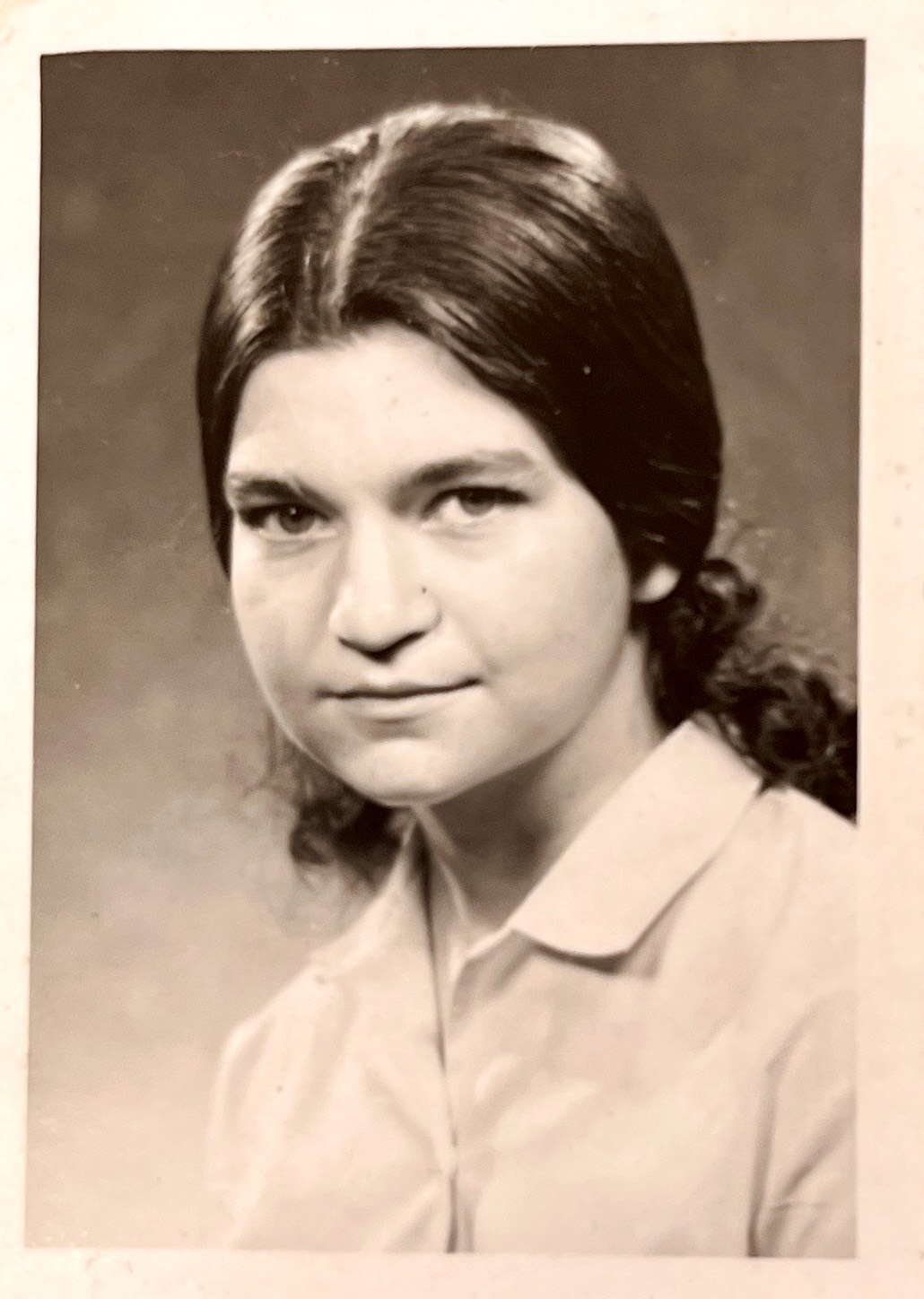
DeCourcy Squire, non graduate, class of 1971: When she and a group of Antiochians went to the Federal Building in Cincinnati in December, 1967, she only meant to hand out leaflets advocating the end of the War in Vietnam. Instead, she was arrested and jailed for months in that city’s notorious Workhouse, where she went on a prolonged, high profile hunger strike. Upon her release she wrote a paper about her experience that she submitted for cooperative education credit.
Earlier that year, Squire attended an antiwar protest in July at the Pentagon in Washington. When security attempted to detain her, DeCourcy dashed into the building, managing to evade capture for over three hours. When she was finally apprehended, she told the guards: “I don’t really care to leave.”
In 1970 she and seven other activists broke into the federal building in Rochester, NY, where they destroyed some files and removed others that documented the controversial COINTELPRO program conducted by J Edgar Hoover’s FBI against American citizens including Dr. Martin Luther King, Jr. Squire did a year in a federal penitentiary for theft and destruction of government property. A similar raid by activists in Media, PA, led to the program’s shutdown in 1971.
Her post-Antioch life focused on prison reform with such organizations as Boston Bail Fund. She would go on to become a physical therapist. Decourcy Squire, a lifetime Quaker, has always been a “war tax resister” and refuses to pay any taxes that could pay for a war.

Susannah Way Dodds ’66
Susannah Way Dodds, class of 1866: Less an activist than an exemplar, Susannah Way Dodds lived her entire life as a liberated woman in an age when “woman’s rights” was more of an abstract concept than an achievable goal. She first came to Antioch College in 1856, but owing to financial constraints, she had to leave school frequently to earn enough money to return and continue her studies. Throughout her time at Antioch, she wore the uniform of a woman’s rights woman: the Bloomer dress. For this and her perennially short hairstyle, she was regarded as a radical. Her formidable intellect was readily apparent to her fellow Antiochians. As Irene Hardy (class of 1885) recalled “[Susannah] would have been a conspicuous figure anywhere, as the strongly individual type…I admired her then greatly and later came to know and love her. Her debates and other exercises in the literary society were looked forward to by the younger members with an eager expectancy which was seldom disappointed…It was more than a treat to be present at the debates in which Mrs. Dodds crossed swords with some of her classmates among the men.”
Following graduation, Joni studied social work, dedicating the rest of her time to advocating and organizing in favor of rights for women and labor, independence for Puerto Rico, the impeachment of Richard Nixon, fair utility rates. She was active in the nationwide socialist organization New American Movement at all levels and for 20 years published the newsletter Allegheny Socialist.
Since the 1980s she has focused her reform efforts largely on addressing the problem of urban food deserts through the organization Just Harvest. The Joni Rabinowitz Papers, donated to Antiochiana in 1993, are extensive and central to the Student Activist Collection in the College Archives.
How do I earn Victory Points?
Give to the campaign
Attend an Event!
Questions about the campaign?
175Campaign@antiochcollege.edu | 937-767-2341