Environmental Science
Students work with faculty advisors to devise self-designed majors. Coursework in the major builds upon students’ experiences in the general education curriculum while providing students with pathways to deepen their knowledge or further develop their passion in a particular area of study.
Studying Environmental Science at Antioch College
Environmental Science combines many facets of the biological, chemical, physical, and quantitative sciences in the study of natural systems. Some of the most critical challenges in the 21st Century relate to understanding environmental trends and human-induced changes on our planet. The Earth is a giant puzzle, and its systems are changing rapidly. Environmental Science allows us to understand these changes in space and time, and helps us understand and predict future challenges.
Through a combination of coursework, Co-operative Education jobs, and independent student research, the Environmental Science program at Antioch College helps students gain proficiencies in: applying quantitative and discipline-based skills for environmental problem-solving, writing and speaking effectively to communicate issues in the field, and gaining real-world experience in environmental science problem-solving. Students design their own degrees and can choose from courses in Biology, Chemistry, Environmental Science, Math, and Physics, as well as other subjects that complement a Liberal Arts education. Additional coursework may be accessed through the SOCHE cross-registration program, where Antioch students can enroll in a limited number of courses at nearby institutions. To complete their degree, each student pursues a senior project of their own design, supported by Antioch Faculty, to investigate a topic in Environmental Science. Located in Ohio’s Miami River Valley, the Antioch College campus is surrounded by forest, streams, meadows, rivers, wetlands, and other natural resources to enrich your education and recreational experience.

Designing Your Major
Course options when designing a major in Environmental Science
| Course No. | Title | Credits |
| Environmental Science | ||
| ENVS 105 | Introduction to Environmental Science | 4 |
| ENVS 205 | Ecology | 4 |
| ENVS 220 | Aquatic Biology | 4 |
| ENVS 230 | Soil: A Living System | 4 |
| ENVS 330 | Conservation Biology | 4 |
| ENVS 335 | Field Plant Ecology | 4 |
| ENVS 339 | Ecological Agriculture | 4 |
| ENVS 360 | Ecosystem Ecology with Forest Lab | 4 |
| Biology and Chemistry | ||
| BIO 101 | Principles of Biology | 4 |
| BIO 210 | Botany | 4 |
| BIO 220 | Introductory Molecular Biology and Genetics | 4 |
| BIO 230 | General Microbiology | 4 |
| BIO 410 | Integrative Physiology and Advanced Biochemistry | 4 |
| CHEM 105 | General Chemistry I + Lab | 4 |
| CHEM 160 | General Chemistry II + Lab | 4 |
| CHEM 205 | Organic Chemistry I + Lab | 4 |
| CHEM 220 | Environmental Chemistry | 4 |
| CHEM 330 | Organic Chemistry II + Lab | 4 |
| CHEM 340 | Biochemistry | 4 |
| Humanities and Social Sciences | ||
| PECO 315 | Environmental Economics | 4 |
| PHIL 221 | Environmental Ethics and Political Theory | 4 |
| Mathematics | ||
| MATH 102 | Explorations in Mathematics and Quantitative Reasoning | 4 |
| MATH 105 | Introduction to Statistics | 4 |
| MATH 150 | College Algebra | 4 |
| MATH 151 | Precalculus | 4 |
| MATH 155 | Calculus I | 4 |
| MATH 160 | Calculus II | 4 |
| MATH 205 | Intermediate Statistics | 4 |
| PHYS 160 | General Physics I | 4 |
| PHYS 260 | General Physics I | 4 |
| Research and Special Topics | ||
| SCI 101 | Foundational Topics in Sciences | 4 |
| SCI 270 | Special Topics in Science | 4 |
| SCI 297 | Independent Scientific Research | 1 to 4 |
| SCI 299 | Independent Study | 1 to 4 |
| SCI 370 | Special Topics in Science | 4 |
| SCI 397 | Advanced Scientific Research | 1 to 4 |
| SCI 399 | Advanced Independent Study | 1 to 4 |
| SCI 470 | Advanced Special Topics in the Sciences | 1 to 4 |
Real-World Student Work Experiences
Students gain valuable real-world work experience through our Cooperative Education program, and document their insights on Antioch Engaged: our journal of social practice & professional engagement
- Feed has no items.

Faculty



































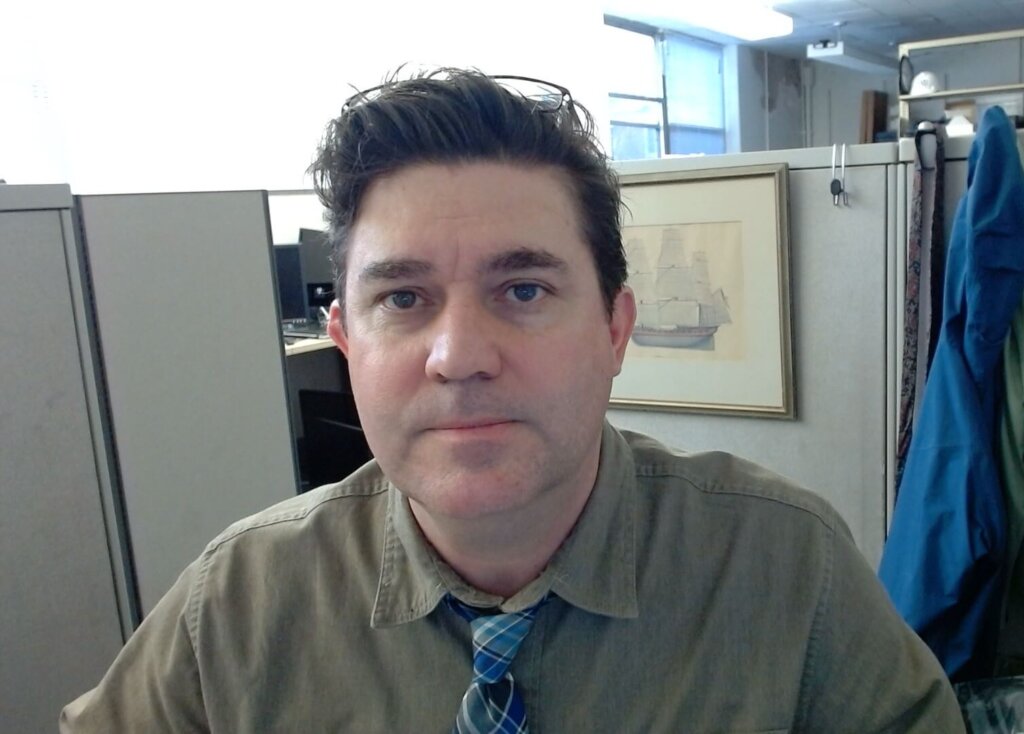
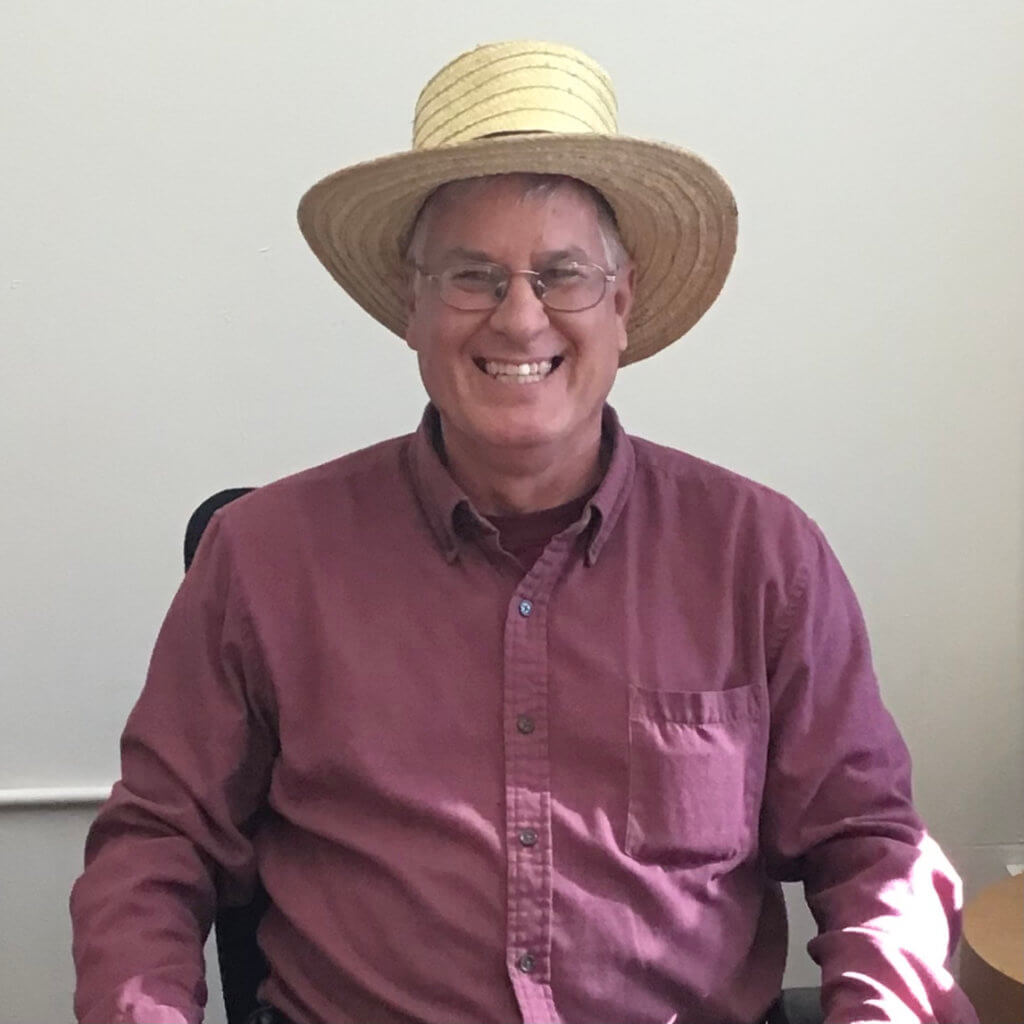



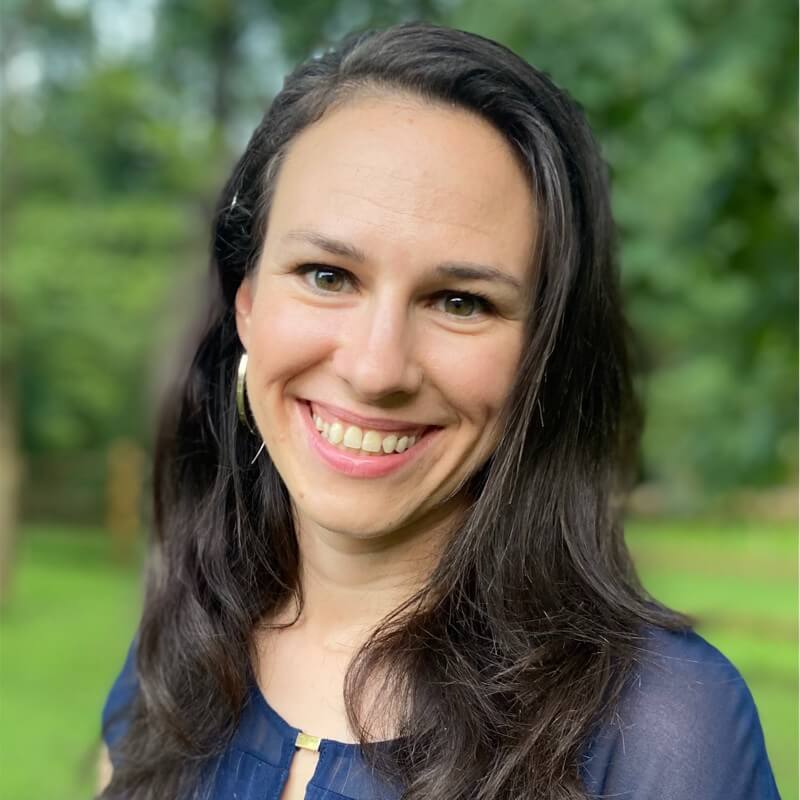






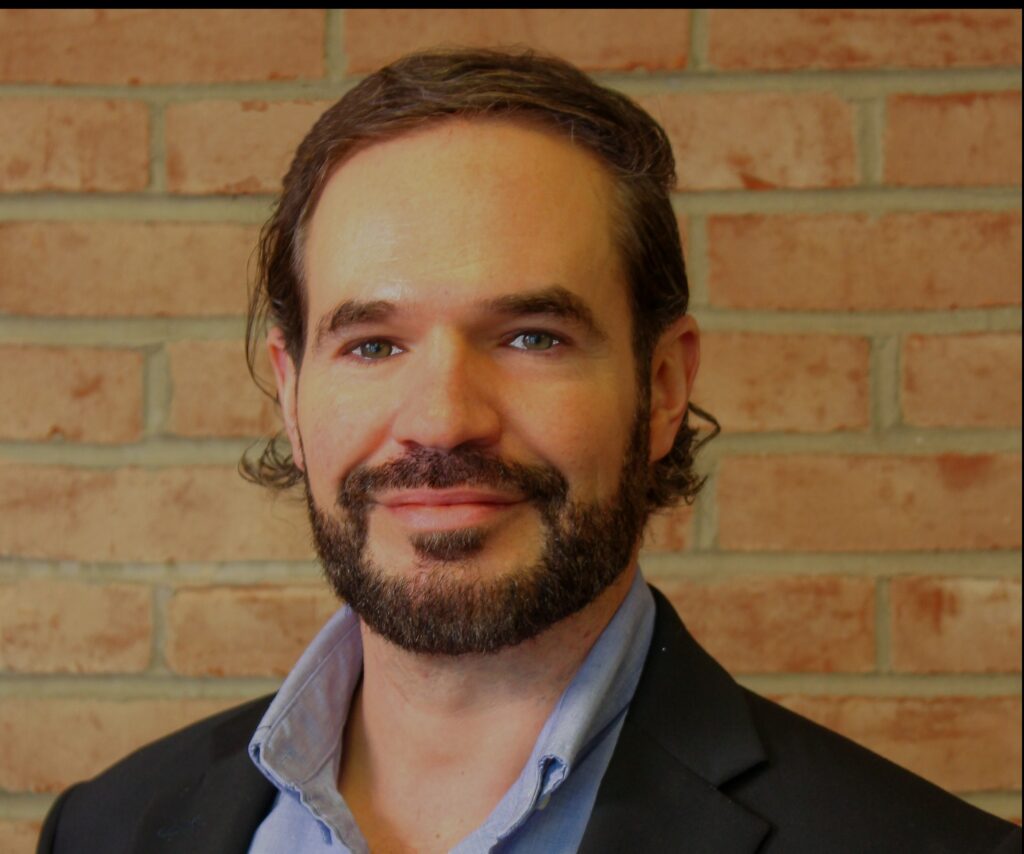


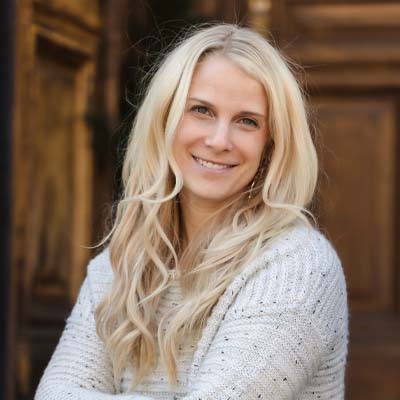

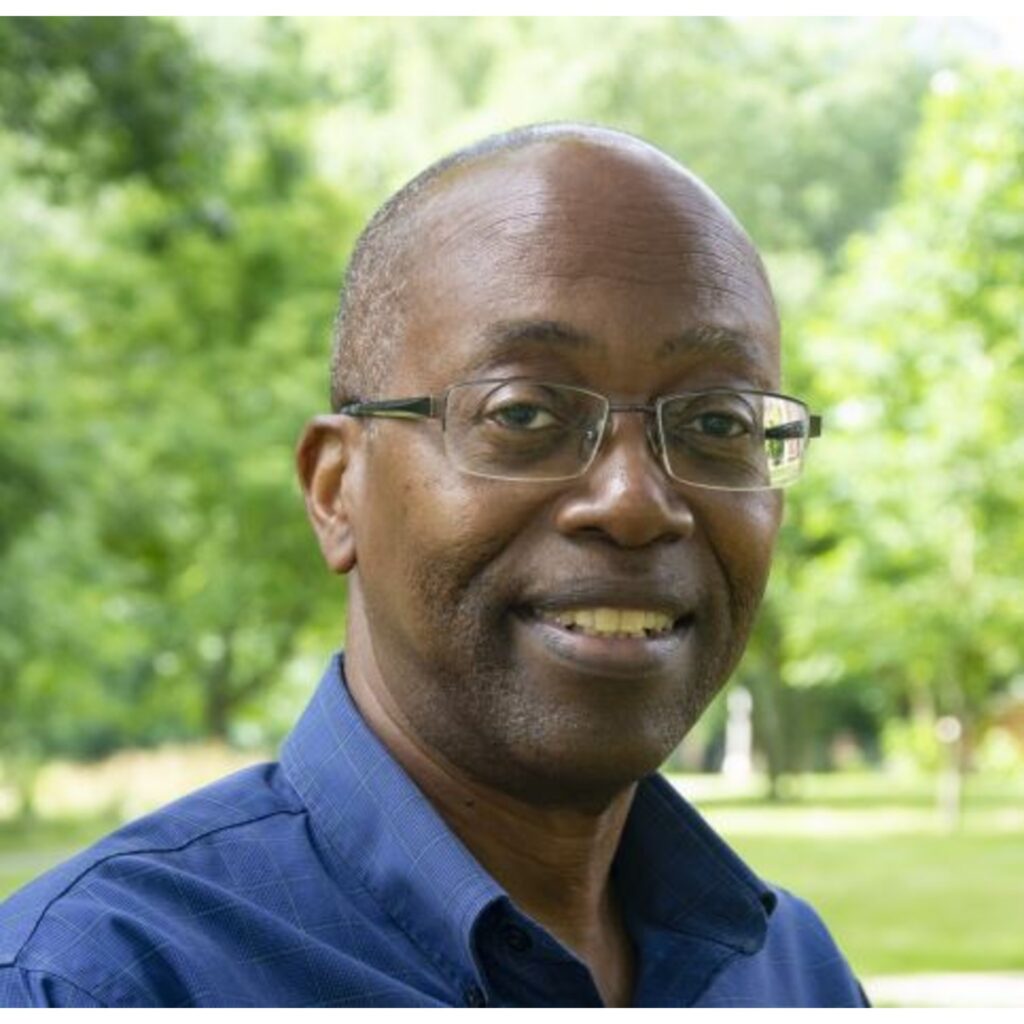


Recent News

We have to solve multiple problems simultaneously
Interview with Dr. Kim Landsbergen I'm Kim Landsbergen. I am an associate professor of Biology and Environmental Science. I joined the faculty at Antioch in fall of 2014. I am an army kid. My folks are from Tennessee and Florida. And I spent my formative years growing...
Explorations Through Co-op: Jen Ruud ’18
Although Jen Ruud ’18 majored in Environmental Science at Antioch, their Co-ops provided opportunities for exploration in different fields.
Joan Argetsinger Steitz ’63 Awarded Wolf Prize in Medicine
The Wolf Prize in medicine was awarded to three scientists—Lynne Maquat, Adrian Krainer, and Joan Steitz ’63—on February 9, 2021, whose research in messenger RNA (mRNA) enabled the development of the COVID-19 vaccines.
Maya Canaztuj ’17: “Just Keep Pushing!”